




In every generation, societies are confronted with a fundamental question: what makes a human life valuable? The answer to that question shapes not only our laws, but also the character of our civilisation.
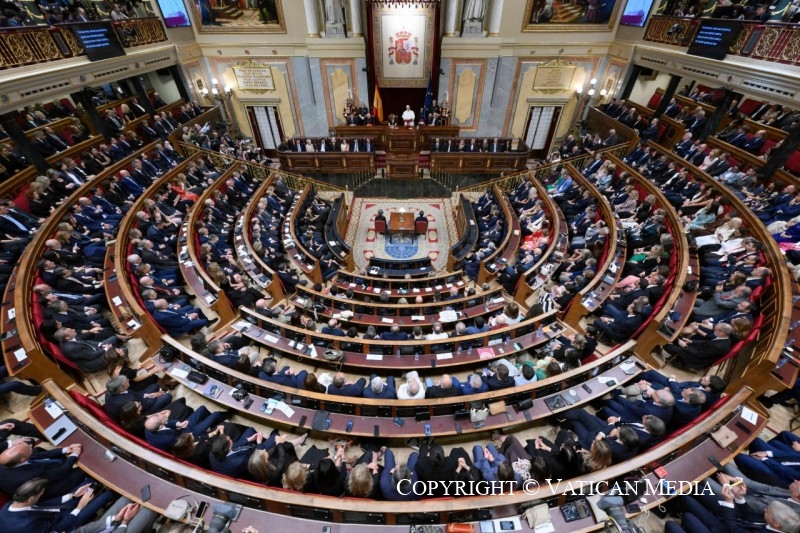
Addressing the Spanish Parliament (June 8, 2026), Pope Leo XIV offered a timely reminder: “Every truly just society is built upon the recognition of the inviolable dignity of the human person. Such dignity precedes any concession by the State and cannot be subordinated to shifting social consensus or the whims of the majority at any given moment. It belongs to every human being by the very fact of their existence”.
These words deserve attention far beyond the walls of parliament or the Catholic Church. They speak about the very foundation of a democratic society.
Modern democracies rightly celebrate freedom, equality and the rule of law. Yet they also face a constant temptation: to assume that whatever a majority decides automatically becomes just. History tells a different story. Majorities have defended slavery, racial segregation, religious persecution, discrimination against women, prejudice against minority groups, and countless other injustices that today we rightly condemn. This reminds us that what is popular is not always what is right. Public opinion can change. Human dignity cannot.
The Pope’s central point is clear. Governments do not create human dignity; they recognise it. Rights are not favours granted by those in power, nor privileges extended to those who meet certain conditions. They arise from the inherent worth of every human being, regardless of age, health, ability, nationality, wealth or social standing. This principle has profound implications for public life. It challenges us to look beyond political expediency. It reminds legislators that laws should protect the vulnerable, not merely reflect prevailing opinion. It calls citizens to judge policies not only by their popularity, but by whether they uphold the equal dignity of every member of society.

Public opinion can change rapidly, especially in response to emotional news stories or viral social media campaigns. Sound public policy, however, requires consistency, careful judgment, and a long-term perspective. It must not depend on the shifting tides of public opinion.
The true measure of a society is found in how it treats those who have the least power: the unborn, the elderly, people living with disabilities, migrants, the poor and those whose voices are easily ignored. A community that protects only the strong, and those who can afford to live in luxury, ultimately weakens itself.
Pope Leo XIV’s remarks offer neither a partisan programme nor a legislative blueprint. They offer something more enduring: a reminder that justice begins with an understanding of who we are. Before we are voters, taxpayers, consumers or citizens, we are human beings, each endowed with a dignity that no government confers and no majority can revoke. Protecting human life and human dignity is not merely a legal obligation; it is an ethical responsibility.
If our society is to flourish in the years ahead, we must never forget that the strongest foundation of freedom is not power, but respect for the inherent worth of every human being. That is not simply a religious conviction. It is the cornerstone of every truly just society.
✠ Joseph Galea-Curmi
Auxiliary Bishop of Malta
This article was published on the Times of Malta on July 19, 2026