



During the Spring Plenary Assembly of the Commission of the Bishops’ Conferences of the European Union (COMECE), held in Nicosia from 22 to 24 April 2026 in the context of the Cypriot Presidency of the Council of the European Union, the delegated bishops adopted a declaration addressing global crises, with particular attention to the wars and instability in the Middle East and beyond.
The declaration, ‘An urgent plea to seek peace and pursue it’, conveys the bishops’ strong appeal for peace, reaffirming and echoing the words of Pope Leo XIV: “Let those who have weapons lay them down! Let those who have the power to unleash wars choose peace! Not a peace imposed by force, but through dialogue! Not with the desire to dominate others, but to encounter them!”
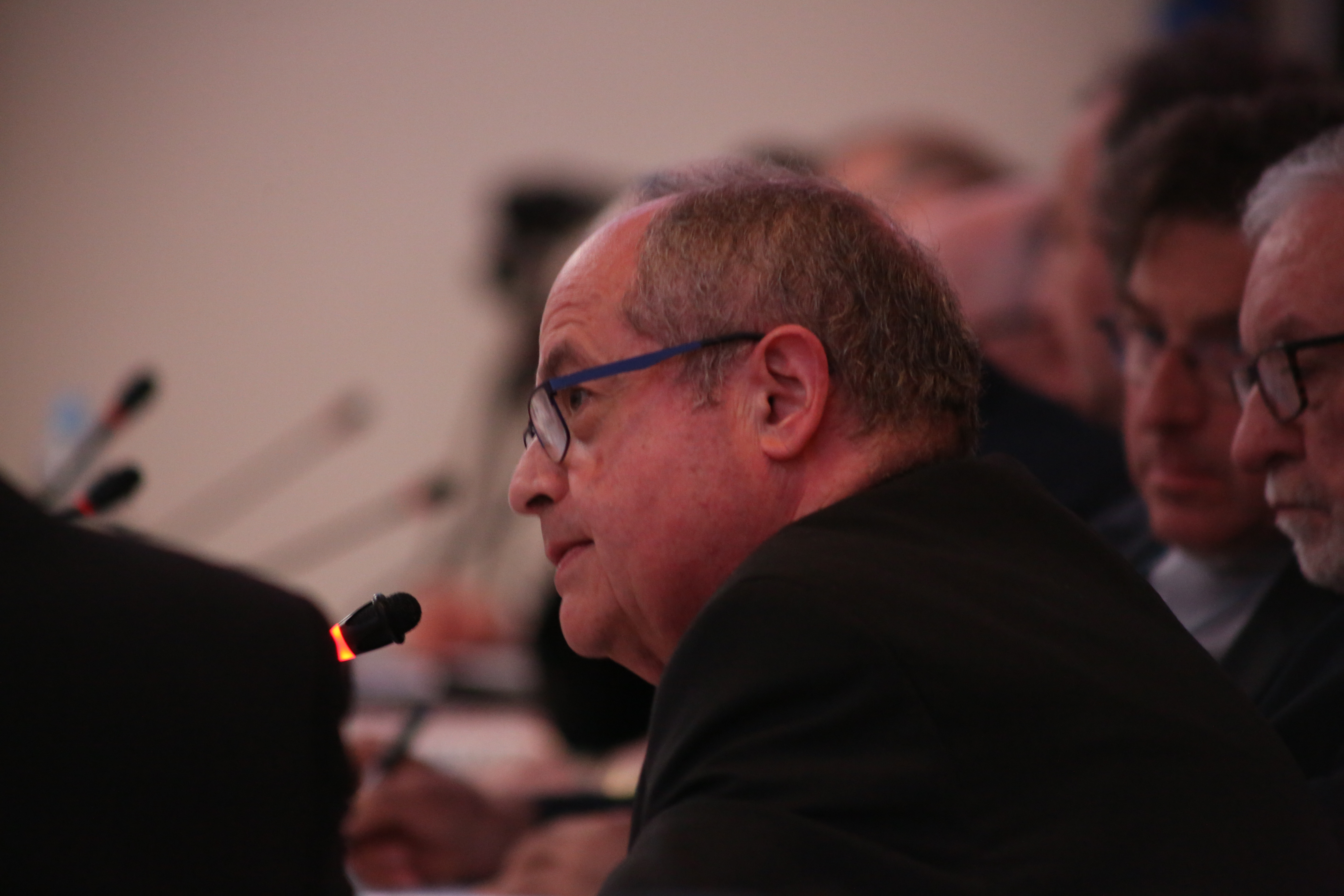
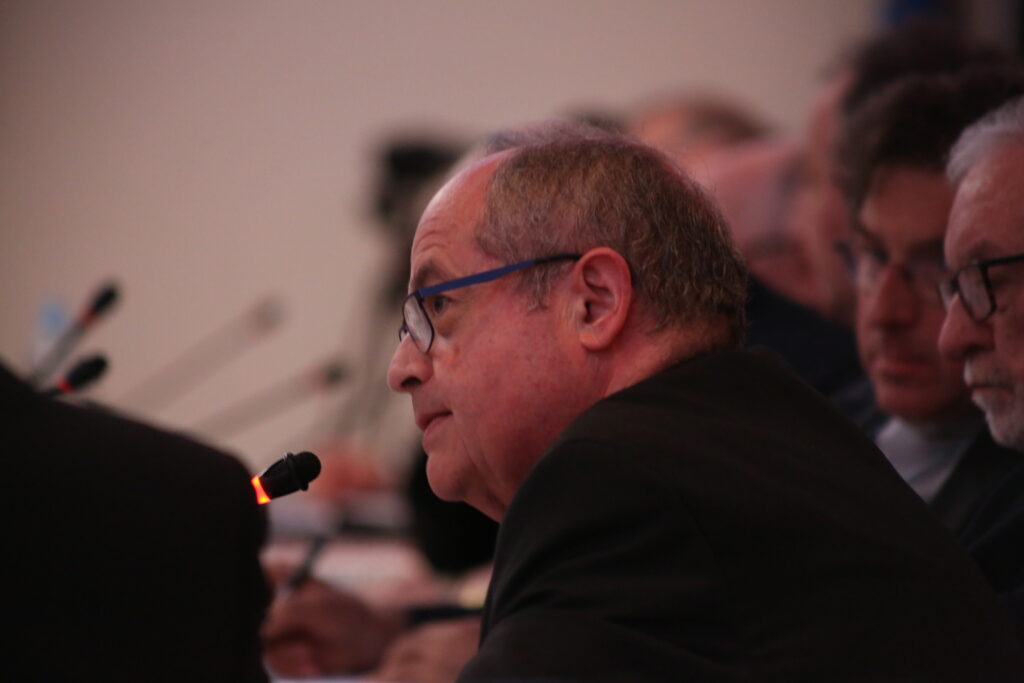
The bishops, including Malta’s Auxiliary Bishop Joseph Galea-Curmi, express their deep sorrow and support for the victims of conflict and emphasise the European Union’s role in promoting stability, justice and reconciliation, the respect of international law, and the search for a future grounded in peaceful coexistence.
The Spring Assembly of COMECE was hosted by the Maronite Archeparchy of Cyprus and its Archbishop, Selim Jean Sfeir, and offered a valuable opportunity for a deeper understanding of the challenges facing the Eastern Mediterranean. Cypriot Deputy Minister of Culture, Dr Vasiliki Kassianidou, informed the bishops on the key challenges of the country, including division and access to Christian places of worship, education, culture and the protection and preservation of cultural heritage.
The recent EU Pact for the Mediterranean, an action plan focused on youth investment and migration management, was discussed with European Commissioner for the Mediterranean, Dubravka Šuica. She also addressed the global phenomenon of “demographic winter,” affecting EU member states due to very low birth rates, a key concern for COMECE.
Joining via video conference, Cardinal Pierbattista Pizzaballa, the Latin Patriarch of Jerusalem, reflected on the daily challenges and violence experienced by local communities in conflict. The importance of the Church’s international voice was stressed by Dr Christian Gsodam, Advisor for Strategic Communication and Foresight at the European External Action Service (EEAS), within the context of a weakening multilateralism.
As part of ecumenical dialogue among Greek Orthodox, Maronite and Latin Catholic communities, the bishops met with His Beatitude Georgios III to discuss the consequences of the occupation of Northern Cyprus. They also visited the Maronite villages of Karpasha and Kormakitis, witnessing these communities’ challenges, including restricted access to homes and churches.
The working sessions were complemented with moments of prayer and a Mass for Europe at the Cathedral of the Holy Cross. The bishops also celebrated a Mass in the Maronite rite at St George’s church in Kormakitis, where a large number of Maronite Christians gathered to celebrate the feast of the patron saint.
Held in Cyprus, the conference underlined the COMECE’s position of a greater EU focus on the Mediterranean as a key part of Europe’s identity, promoting dialogue, reconciliation, development, and peace.