



The Malta Safeguarding Commission found that six of the 43 cases concluded in 2025 were substantiated, three of which were of a historical nature and took place more than 10 years ago.
The concluded cases involved 40 individuals and two entities, with one individual featuring in more than one case. Of these, one was a diocesan priest, four were religious, 32 were lay people, and three remained unidentified (Unknown).
Five of the substantiated cases involved minors, with one case concerning a religious and four involving lay people. Three involved sexual abuse and were of a historical nature, as they took place more than 10 years ago. A religious and two lay people were involved, and all three individuals have been prohibited from working within the Church.
The remaining two substantiated cases involving minors concerned lay people. One related to physical abuse, while the other involved a breach of professional boundaries. Both individuals have been subject to restrictions.
The substantiated case concerning vulnerable adults involved a lay person as subject of complaint. The incident involved breach of professional and sexual boundaries. The individual was restricted.
In 2025, the Safeguarding Commission received a total of 47 referrals involving 44 subjects of complaint.
During the year, the Safeguarding Commission, in collaboration with the Pastoral Formation Institute (PFI), delivered 36 training sessions to 1,111 Church personnel.
The Commission also submitted 122 applications to the Courts of Malta to verify whether Church personnel appeared on the Offenders’ Register in terms of the Protection of Minors (Registration) Act (POMA), covering a total of 4,508 individuals.
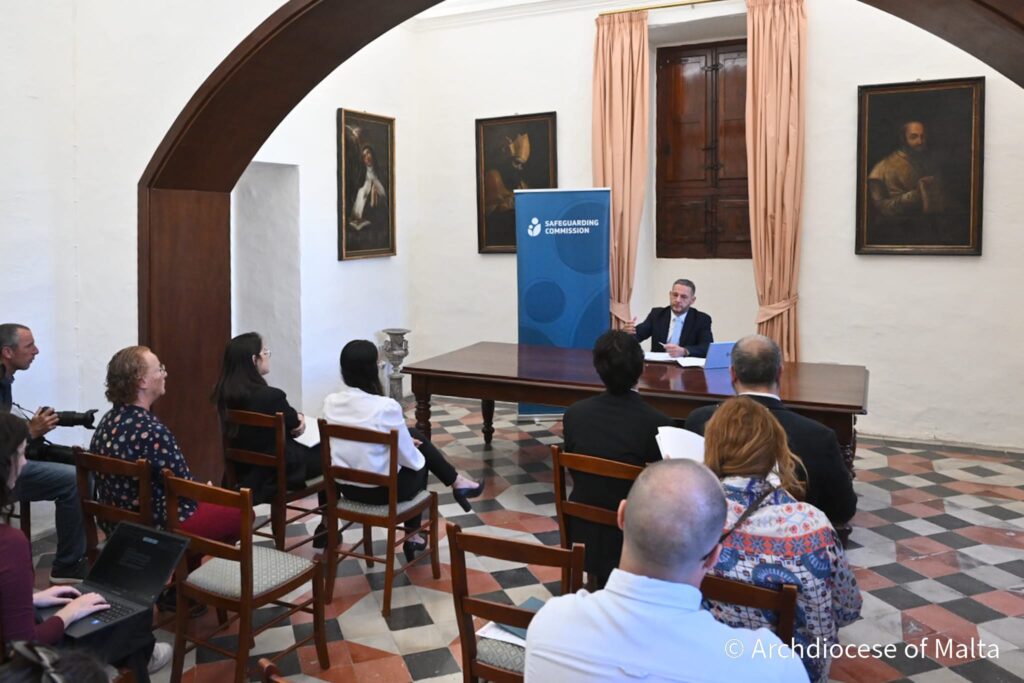
The Commission also marked a milestone in 2025 with the organisation of the first Safeguarding Conference in Malta, hosted by the Archdiocese of Malta. The conference focused on the shared responsibility of safeguarding and included panel discussions involving a range of social stakeholders, while the keynote address was delivered by Bishop Ali Herrera, Secretary of the Pontifical Commission for the Protection of Minors at the Holy See.
In its 2025 Annual Report, the Vatican’s Pontifical Commission for the Protection of Minors described the Malta Church’s safeguarding guidelines as “exemplary” and recommended their adoption by Episcopal Conferences worldwide, representing a significant international endorsement of Malta’s Church safeguarding framework.
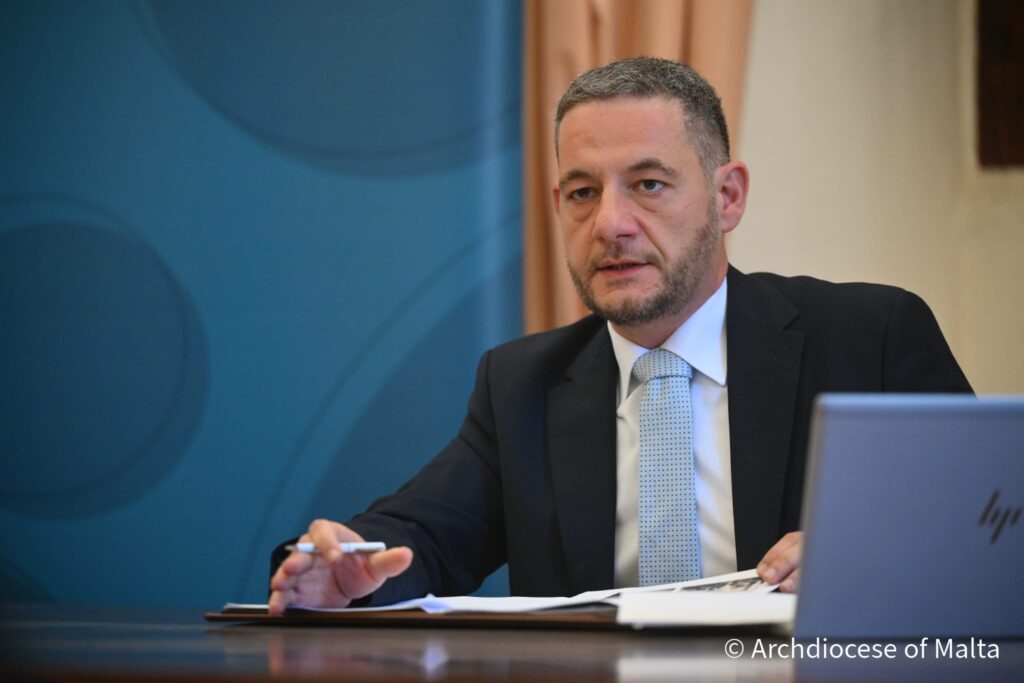
Head of Safeguarding Mark Pellicano said: “Our priority is to ensure that robust systems are in place to protect minors and vulnerable people from any kind of abuse, while responding appropriately and consistently to every report received. The recognition by the Pontifical Commission for the Protection of Minors reflects the progress made in strengthening these systems but also reinforces the need to maintain and build on these standards over time.”
The Safeguarding Commission of the Church in Malta also continued to support NGOs, faith communities in Malta, and dioceses internationally in the development and implementation of safeguarding structures and policies.
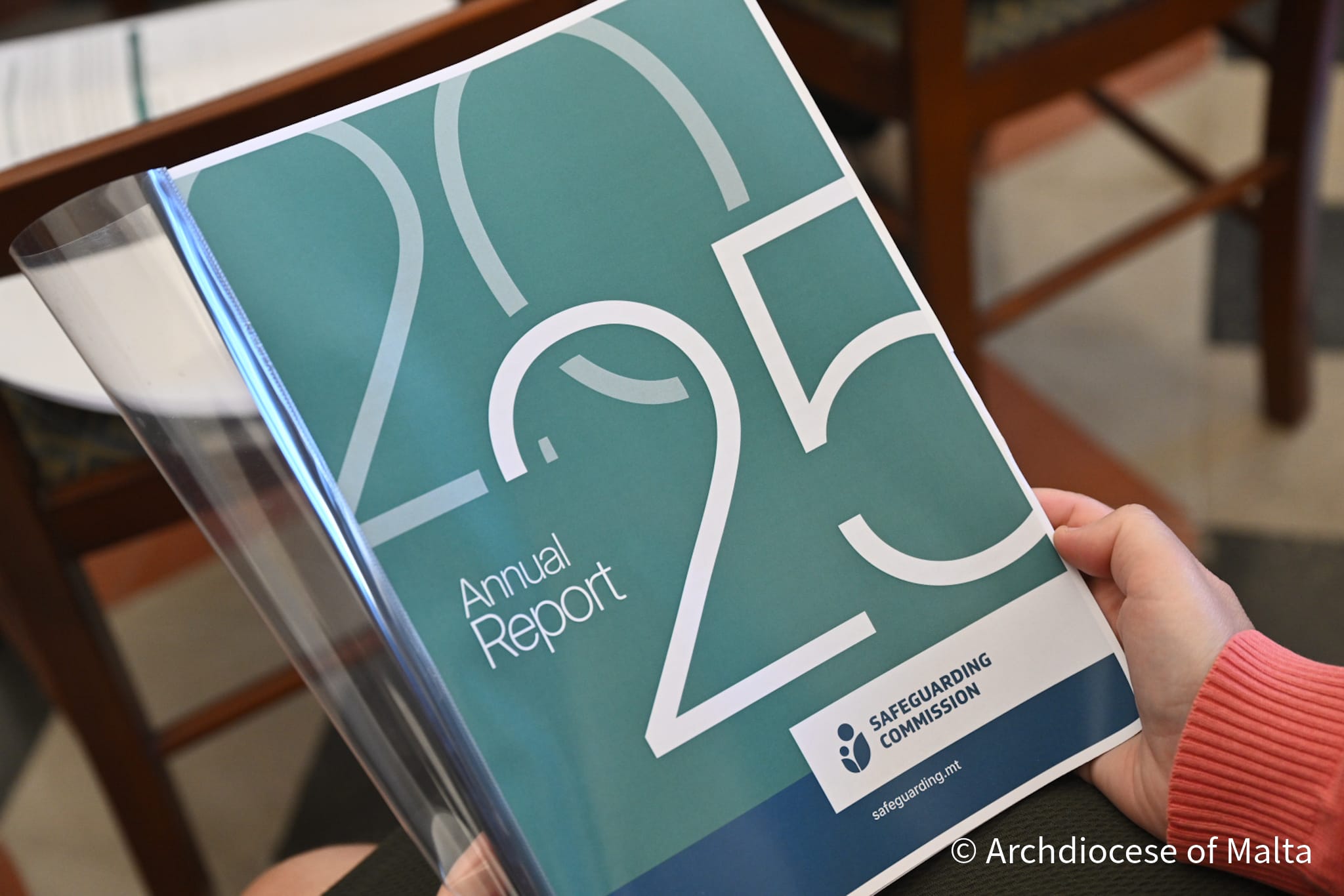
Further details can be found in the 2025 Safeguarding Commission report on https://safeguarding.mt/report-2025.
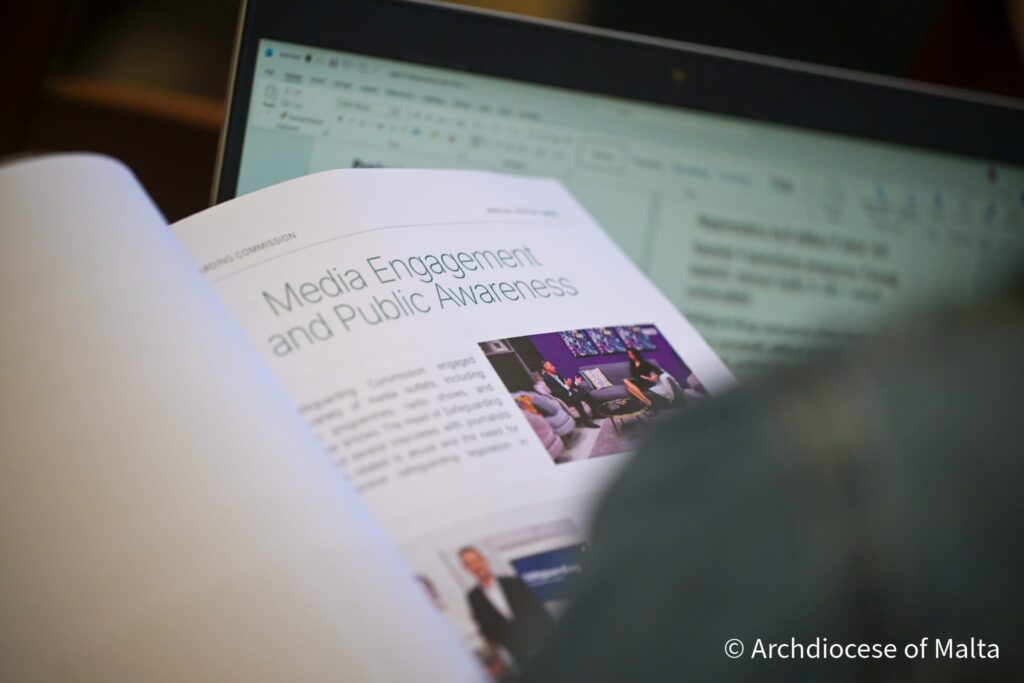
About the Safeguarding Commission
The Commission was established in 2015 by the Maltese Episcopal Conference and the Conference of Major Religious Superiors. Since March 2022, the work of the Safeguarding Commission is solely focused on the Archdiocese of Malta and all the religious communities in Malta. Its work is guided by the Safeguarding Policy adopted in 2024, which focuses on promoting safe environments within the Church through prevention, the management of complaints, victim support, and the monitoring of wellbeing services provided to subjects of complaints. Among the safeguarding concerns which the Commission looks into include emotional, spiritual, physical, sexual, online, and power abuse.
The Safeguarding Commission refers the cases involving minors to the statutory authorities and empowers vulnerable adults to report their cases to the relevant authorities.
To report a safeguarding concern, one can send an email on [email protected], phone 22470950 or contact the Safeguarding Commission through its social media.