




Homily by Bishop Joseph Galea-Curmi
Today the Church places before us one of the most powerful encounters in all of Scripture: the meeting between Jesus Christ and the Samaritan woman at the well, recounted in the Gospel of John.
Dear elect, who will be receiving the Sacraments of Initiation during the Easter Vigil, this gospel is not simply a story about something that happened long ago. It is about what is happening now, and here, in your lives. The Scrutinies are not examinations in the academic sense. They are moments of truth, moments of light, moments when Christ gently uncovers our thirst and reveals his gift.
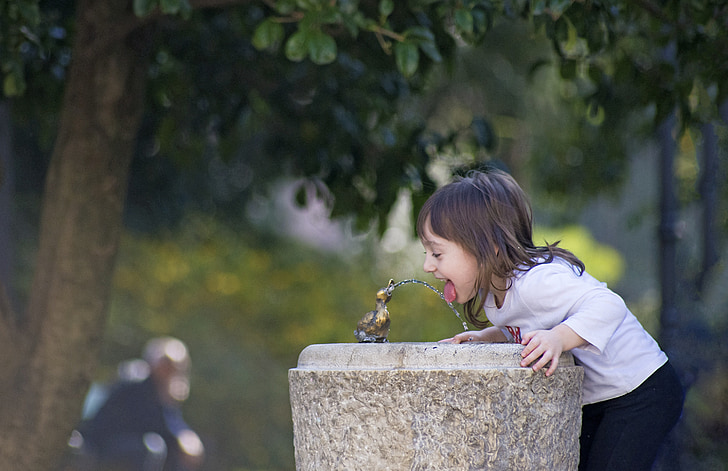
Today’s theme is simple and profound: thirst.
The God who thirsts for you
The Gospel begins in a surprising way. Jesus, tired from his journey, sits at the well and says to the woman: “Give me a drink” (Jn 4:7). The source of living water says: “I thirst”. Before we speak about our thirst for God, we must first understand something astonishing: God thirsts for us. He thirsts for your heart, for your trust, for your love.
Dear elect, you may think you are the ones searching for God. In reality, it is Christ who has been waiting for you at the well of your life. He arrived there before you. He sat down in your history, in your wounds, in your questions; and he waited. The First Scrutiny reveals this: your journey to baptism did not begin with your decision. It began with his desire.
The restlessness of the human heart
Very quickly, the conversation turns from physical water to something deeper. Jesus says: “Whoever drinks the water I shall give will never thirst” (Jn 4:14). The woman has had five husbands and is now living with a man who is not her husband. Her life tells a story of searching – searching for love, security, dignity, belonging.
This is not merely her story. It is ours. Every human heart carries a thirst. A thirst for love, for meaning, for forgiveness, for identity, for peace. At times we try to quench it with success, pleasure, achievements, distractions. But again and again, the jar remains empty.
The Scrutinies are moments when the Church lovingly asks: Where are you seeking your water? What wells have you been returning to? What cannot truly satisfy you?
Jesus does not, in any way, condemn the woman. He reveals her truth gently. He brings into the light what she might prefer to hide. That is what he does in every Scrutiny. He uncovers not to shame, but to heal.
The awakening of faith
At a certain moment, the woman says: “Sir, give me this water” (Jn 4:15). This is the turning point. She moves from misunderstanding to desire, from defensiveness to openness, from curiosity to faith.
Dear elect, this is your moment as well. You are saying to Christ: “Give me this water.” Give me the water of baptism, the living water of the Holy Spirit. Give me the Eucharist, the Bread of Life. Give me new life.
But notice something important in the gospel: before receiving the water, she must allow Jesus to touch the depth of her life. Christian initiation is not magic. It is transformation, it requires truth.
The Scrutinies ask you to allow Christ to heal what is broken, to forgive what is sinful, to strengthen what is weak, to free what is bound. Only then can the living water flow freely.
In Spirit and in truth
The conversation shifts again. The woman asks about worship, about the right mountain, the right place. Jesus responds: “The hour is coming, and is now here, when true worshipers will worship the Father in Spirit and truth” (Jn 4:23).
True worship is not about geography. It is about relationship. Through baptism, you will become temples of the Holy Spirit. Worship will no longer be something external. It will happen within you. To worship “in Spirit and truth” means to worship with sincerity, not pretence; with faith, not routine; with the whole heart, not just the lips.
The Scrutinies purify us so that our worship may be real. God is not looking for perfect people. He is looking for truthful hearts.
The mission begins
After her encounter, the woman leaves her water jar behind. This small detail is profound. The jar represents the old way of seeking. She no longer needs it. She has found the source. And what does she do? She runs to the town and says: “Come and see a man who told me everything I have done” (Jn 4:29). She becomes a missionary. Notice: she does not have theology degrees. She does not have perfect moral credibility. She has the joy of an encounter. That is enough.
Dear elect, at the Easter Vigil, when you receive the Sacraments of Initiation, your journey will not end. It will begin. You too will be called to say: “Come and see”. Come and see the One who knows me and loves me, the One who forgave me, the One who gave me living water.
The well is here
Today, this church is the well. Christ is seated here. He is speaking to you, he is asking you for a drink – your trust, your surrender, your honesty. And he is offering you something infinitely greater: Living water, the Holy Spirit. A new birth and eternal life.
The First Scrutiny is not about fear. It is about freedom. It is Christ removing whatever prevents the water from flowing.
Do not be afraid of your thirst
Do not be afraid of your thirst. Your thirst is not a weakness. It is a sign that you were made for God. And do not be afraid of your truth. The One who reveals it is the One who saves you. Soon, at the Easter Vigil, you will approach the waters of Baptism. But today, spiritually, you are already at the well.
May you hear his voice, may you open your heart, may you say with trust: “Lord, give me this water.”
✠ Joseph Galea-Curmi
Auxiliary Bishop of Malta