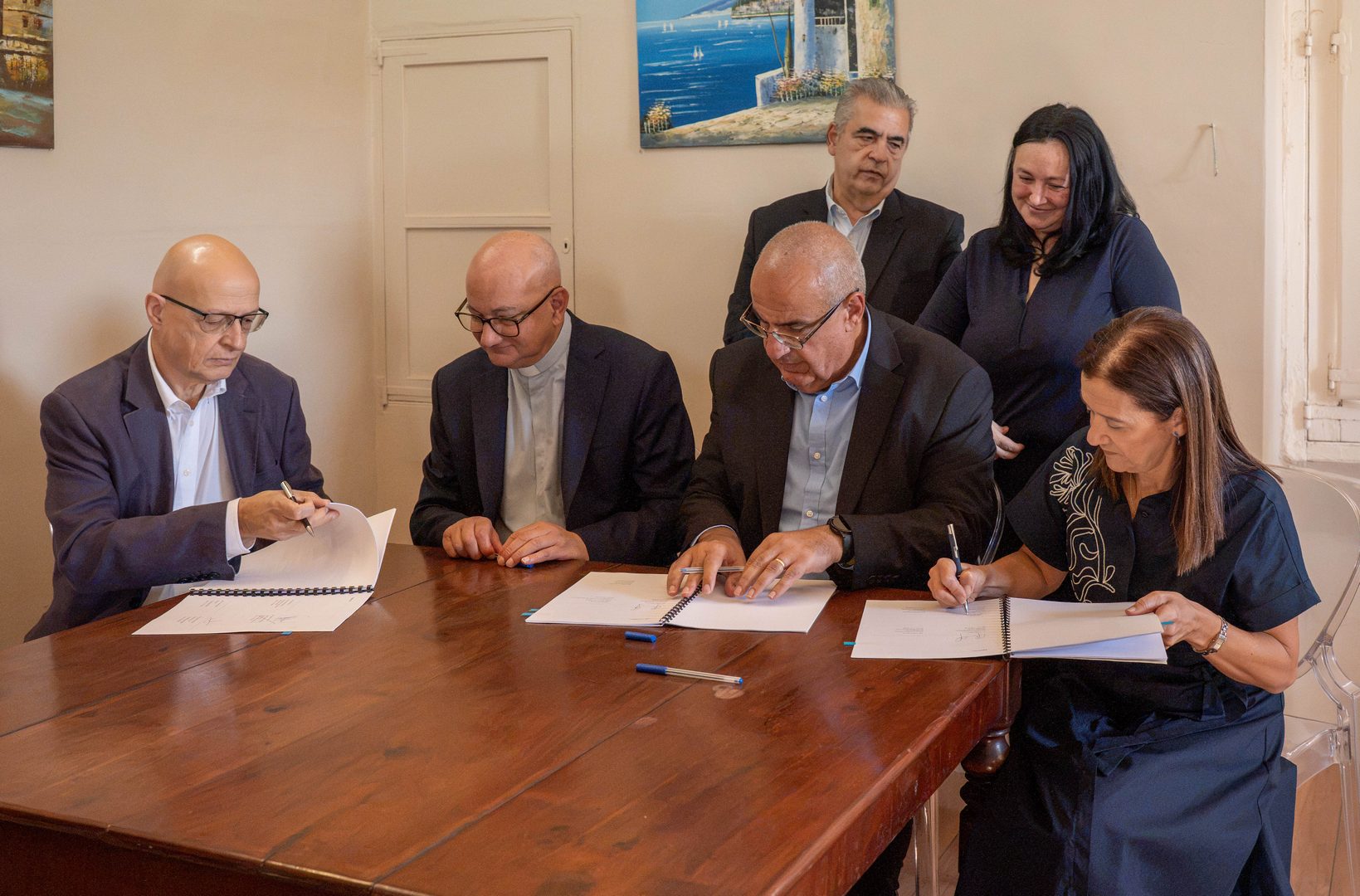





Fondazzjoni Sebħ has entered into a new agreement with the Ministry for Social Policy and the Family, which will support the ongoing running of its aftercare services. Over the past few years, this service relied fully on fundraising; however, with the Ministry’s support, it will now be able to grow further and reach more people in need.
Ms Kerry Hermitage, Family Services Senior Manager, explained that Sebħ’s aftercare services, established in 2023, were created to support youth, young adults and families who were either in alternative care or residents in shelters for women and children escaping violence, as they transition out of care or into the community.
“This ongoing support is crucial in ensuring adequate preparation during this important stage of their lives,” said Ms Hermitage.

Another key aspect of the aftercare services is the provision of semi-independent transitional residences for those who could benefit from temporary housing while studying or working. Earlier this year, Sebħ officially opened The Manor, its first aftercare residence, with others set to follow in the near future.
This public social partnership guarantees financial assistance of around €1 million over a three-year period, going towards the salaries of the aftercare team. “The team’s role is crucial, as it is made up of professionals who walk alongside young people and families throughout their journey, regardless of the stage they have reached,” added Ms Hermitage.
They provide consistent, personalised support, helping service users work towards their individual goals, strengthen their interdependence, and build a brighter, more secure future. With the support of the Archdiocese and its benefactors, Sebħ will continue to cover the remaining running costs of the service, ensuring this vital support remains available to those who need it.

Ms Yvonne Mallia, Director of Fondazzjoni Sebħ, said: “The aftercare services reflect the Archdiocese’s commitment to adapt and expand its services to address identified gaps in provision. This service was, in fact, born from the need to support youth and women through this transition, and to ensure they are given a fair chance to start adult life and rebuild it following violence and abuse. Sebħ remains committed to adapting to the needs of those in its care, and to understanding societal changes that may affect their trajectory.”
She thanked all staff for their enthusiasm, dedication and commitment, which have been instrumental in turning Sebħ’s vision into a reality, adding: “To see what the service has become today is indeed a proud moment for us, and we look forward to seeing how it will continue to evolve for the good of others in need.”
Mgr Martin Micallef, Episcopal Vicar for Diakonia, thanked Dr Michael Falzon, Minister for Social Policy and the Family, for his ongoing support and for sharing the same passion to make a difference in the lives of these youths and families.

The Minister insisted that support and monitoring should continue to be given to young people who no longer live in residential homes after the age of 18. This also applies to women escaping domestic violence, who regain the courage to live independently.
‘‘It is essential to provide all the necessary support, especially knowing that these young people have limited resources when they start living independently. Today I am happy to see many success stories, where I met experiences of people who bought their own property, graduated, started their business, and built a family,’’ stated Dr Falzon.
“The Church has always been at the forefront in supporting people in vulnerable situations, and through its ongoing collaboration with the Ministry, this support has not only remained possible but has evolved into professional services that meet all standard requirements,” said Mgr Micallef.