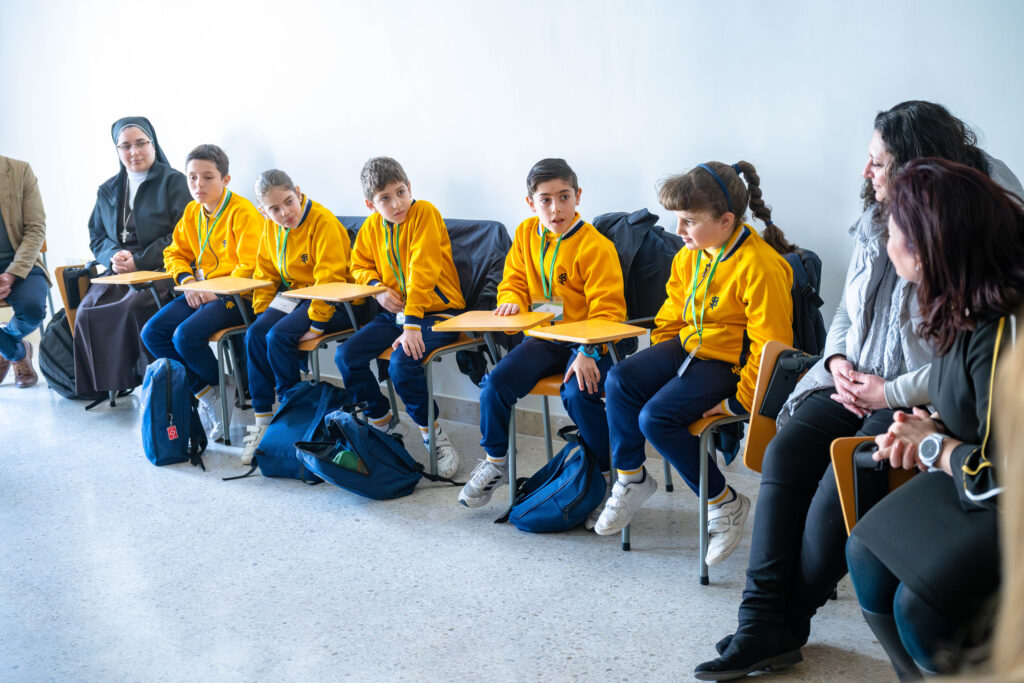




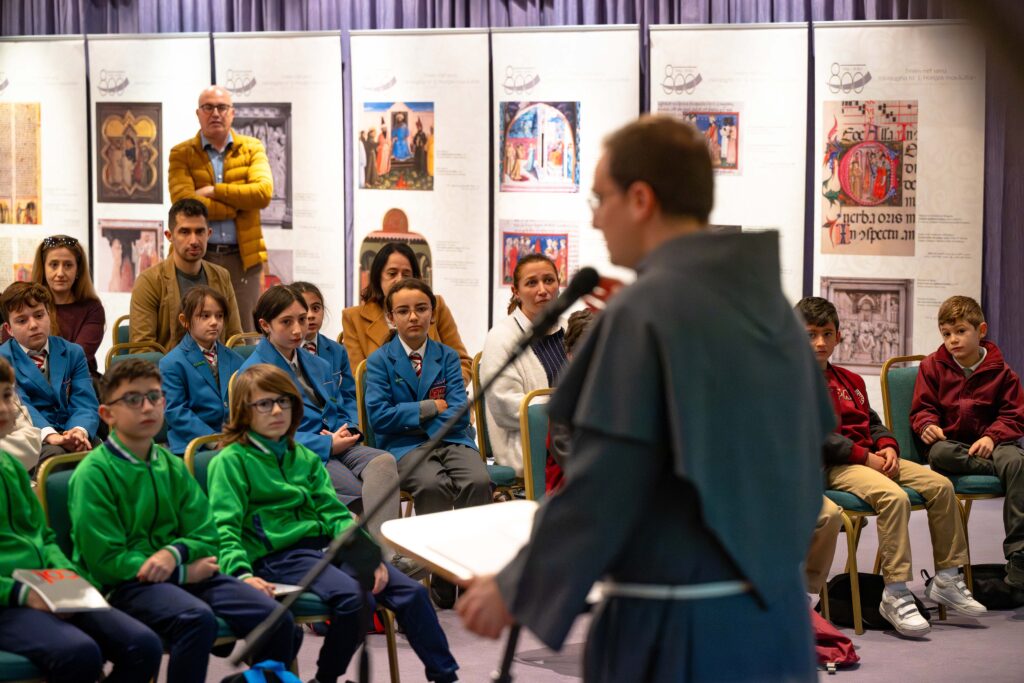
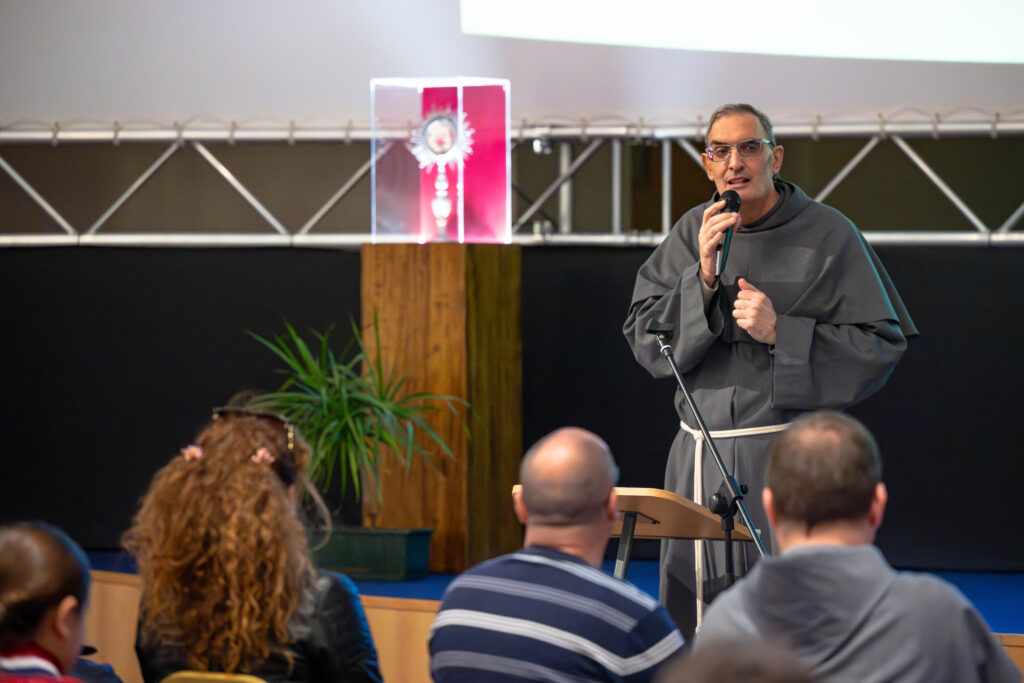
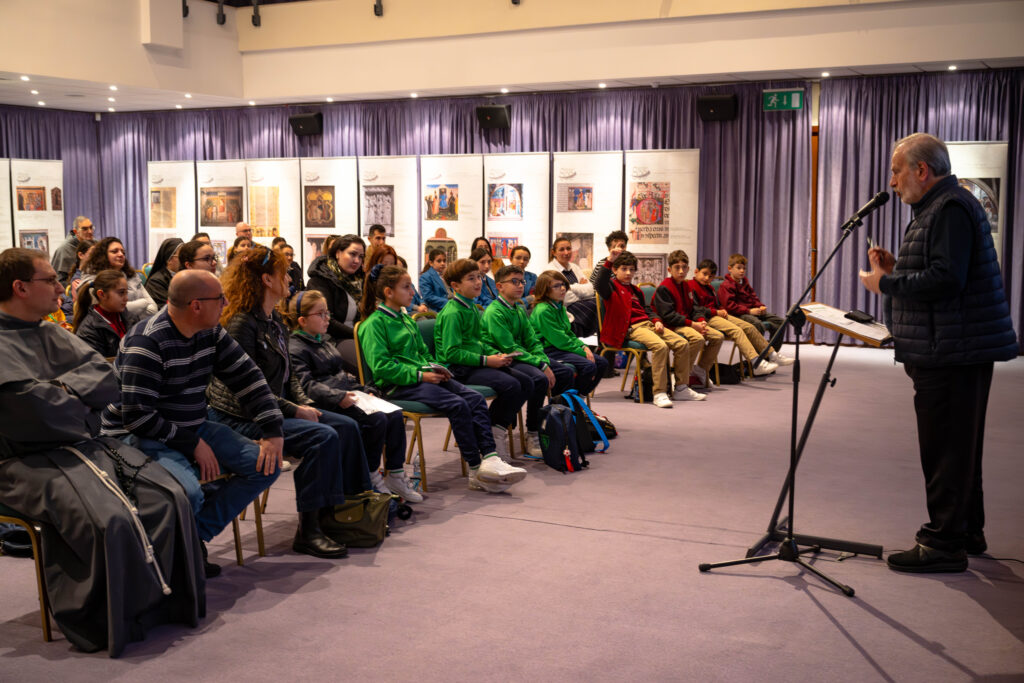
A group of students from 11 Church Schools (primary and secondary) took part in the 14th EkoSkola Summit with the theme ‘A Call to Renew Our Common Home: St Francis’ vision’. This Summit, organised in collaboration with the Secretariat for Catholic Education and the Province of the Franciscan Conventual Friars, was held on 9 February 2026 at the Animation and Communication Centre, Birkirkara, on the occasion of the visit of the relic of St Francis, which the Franciscan Conventual Friars brought to Malta to commemorate the 800th anniversary of the saint’s death. Just as St Francis was wounded for love, our common home and the peoples who live in it are wounded and in need of care, compassion and solidarity.
At the end of this Summit, inspired by the teachings of Laudato Si’ and by the life of simplicity, humility and harmony with creation of Saint Francis, the 54 participants approved a collective Declaration, the result of the discussions they had divided into two themes. At the beginning of the Declaration, the students emphasize that the world is ‘our common home’ that must be protected with respect and responsibility, and that they are determined to move from words to action. They acknowledge that they must be an example, even when adults sometimes fail to be, and ask that the Church and decision-makers listen to their voices.
Theme One: Care for the Vulnerable – Justice, Solidarity, and Human Dignity
Students describe vulnerable groups that often remain invisible: people from different cultures, the elderly, people with mental health difficulties and students who feel marginalised. They suggest that schools should promote an inclusive environment through open discussions, inclusive group work, buddy systems, comfortable spaces such as Chill Rooms, and lessons on emotions, support and diversity.
They also suggest support systems such as buddy benches, adult observers for those who are isolated, and integration activities. In addition, they propose solidarity initiatives such as community clean-ups, fundraising, volunteer visits to soup kitchens, and programs such as ‘People for Others’. They believe in a fairer society that supports everyone living paycheck to paycheck, reduces the prices of products before the expiration date, offers access to training opportunities, and maintains equal pay and conditions for all workers.
Second theme: Care for Creation – Climate, Biodiversity, and Sustainable Living
The second theme focuses on environmental protection. Students are calling for more trees and plants, serious efforts against waste, campaigns on waste separation, and regular clean-ups. They are urging a culture against single-use products, where stores give discounts to those who use their containers, and the promotion of solar panels, marine energy, and sustainable mobility such as pedestrian streets, bicycles, and mandatory carpooling.
The students also propose more botanical gardens, safe spaces for wildlife, compost bins, protection of native plants, more water stations, reservoirs to collect rainwater and a reduction in concrete in playgrounds. They oppose the damage to biodiversity, especially through invasive plants or animals and the sale of souvenirs made from protected species.
Finally, the students ask to be given real space in the decision-making processes, so that their suggestions are part of the country’s environmental and social policy.