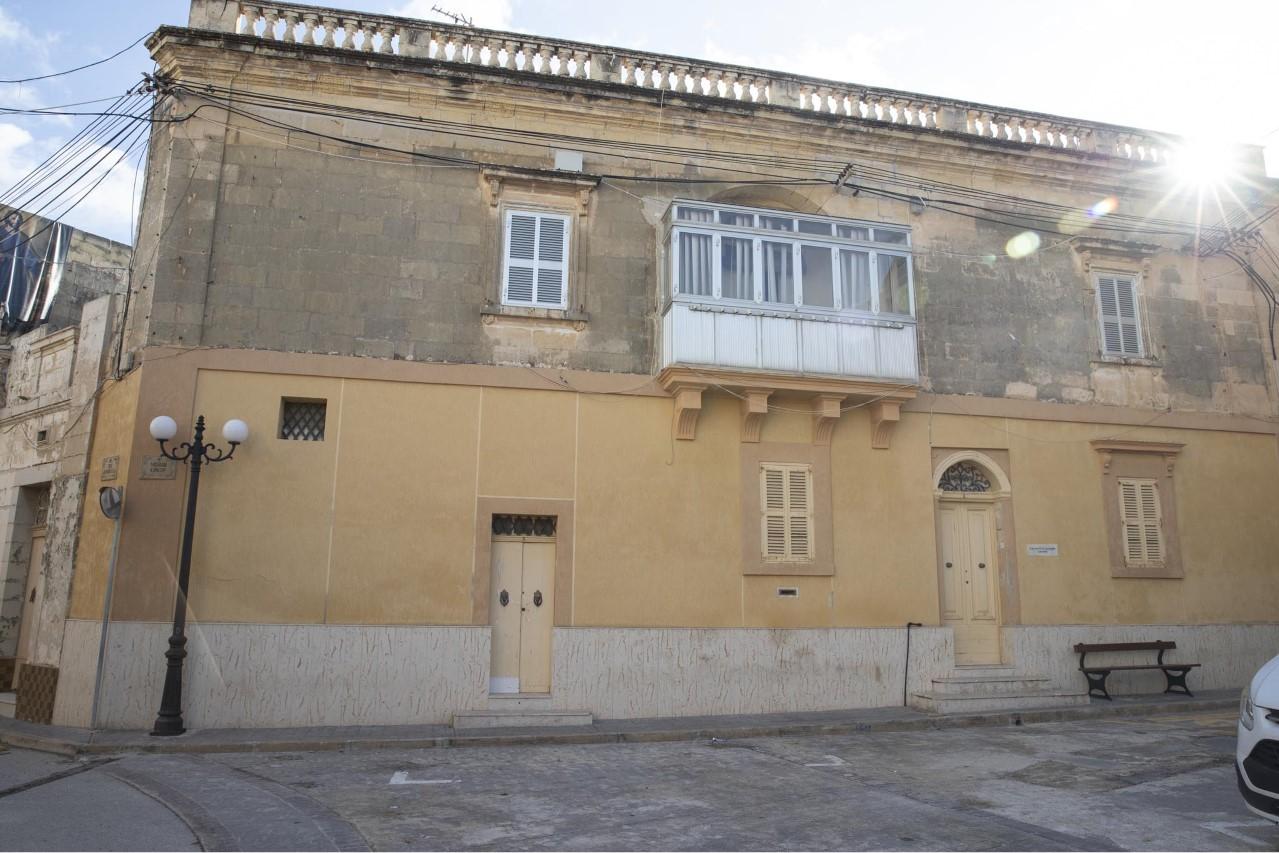




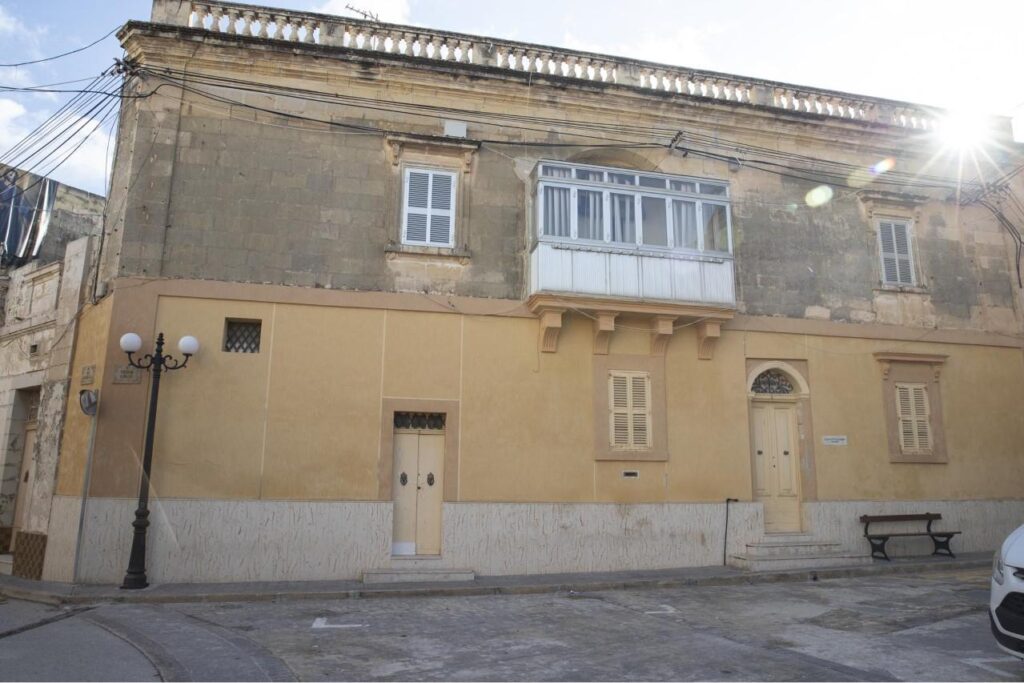
The government has launched a €1.6 million project to convert a convent in Kirkop into an affordable co-living residence, introducing a new housing model designed to combat loneliness and provide independent living options.
Under this newly introduced co-living model, tenants will rent a private room or studio while sharing professionally-managed communal spaces and amenities. The initiative is specifically targeted at the lower-income bracket of the population. It is intended as a practical housing solution that addresses affordability and isolation, particularly among the elderly, while also serving as an accessible option for youths taking their first steps toward independent life.
Spearheaded by the Ministry for Housing and Lands and the Affordable Housing Foundation, the renovated Kirkop convent will accommodate 15 residents. Following a consultation process with the local community, the facility will also incorporate a night shelter for the locality’s elderly and a community clinic that will be open to the general public.
Housing Minister Owen Bonnici described the initiative as one that places individuals and the community at its core.
“We are breathing new life into this Kirkop convent to create a co-living space that offers affordable accommodation, independence, and a sense of belonging,” Bonnici stated, noting that the project serves as a concrete example of utilising existing spaces to strengthen communities.
Archdiocese of Malta Administrative Secretary, Michael Pace Ross, highlighted that the co-living concept helps to address loneliness while fostering solidarity within the community. He explained that the supportive environment provides residents with stability as they plan their future steps on the property ladder.
The Kirkop residence marks the beginning of a broader strategy to repurpose existing properties. Jake Azzopardi, CEO of the Affordable Housing Foundation, stated that the project demonstrates how older buildings can be given a renewed purpose to meet contemporary social and residential needs.
To expand the co-living model, a public call was recently issued inviting private owners of large, vacant, or underutilised buildings to partner with the foundation through long-term management agreements. These private properties will be renovated and converted into additional co-living spaces, and Azzopardi confirmed that the call has already generated considerable interest from the private sector.
Source: Newsbook.com.mt